 Pamela
Grip strength is often associated with athletes and weightlifters, but it plays an important role in overall fitness and daily functionality for people of all activity levels. From lifting weights at the gym to carrying shopping bags or performing manual tasks, strong hands and forearms contribute to better control, endurance, and movement efficiency.
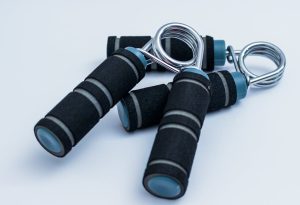
As interest in functional fitness continues to grow, more people are adding tools like Heavy Grips into their training routines to build stronger hands, improve forearm development, and increase overall grip endurance.
Why Grip Strength Is Important
Better Performance During Strength Training
Grip strength affects many popular exercises, including:
- Deadlifts
- Pull-ups
- Rows
- Farmer carries
- Kettlebell exercises
If the hands fatigue before larger muscle groups, it can limit overall performance. Developing stronger grip endurance helps maintain control during heavy lifts and longer workouts.
Improved Athletic Performance
Many sports rely heavily on grip strength and forearm stability. Athletes involved in climbing, martial arts, wrestling, tennis, and rugby often prioritise grip development to improve control and endurance.
Stronger hands can also improve confidence during fast or explosive movements.
Support for Everyday Activities
Grip strength is useful outside the gym as well. Opening containers, lifting objects, carrying bags, and performing repetitive work tasks all depend on hand and forearm function.
Maintaining strong grip capacity may also help support mobility and independence over time.
How Hand Grippers Help Build Strength
Focused Grip Resistance
Hand grippers provide targeted resistance for the fingers, palms, and forearms. This helps strengthen the muscles responsible for crushing grip power and endurance.
Progressive Strength Development
Many grip training tools come in varying resistance levels, allowing users to gradually increase difficulty as strength improves.
This progressive approach makes grip training suitable for both beginners and advanced athletes.
Convenient Training Anywhere
One of the biggest advantages of hand grippers is portability. They can easily be used at home, in the office, or while travelling without requiring large amounts of space or equipment.
Key Benefits of Grip Training
Increased Forearm Endurance
Regular grip exercises challenge the forearms continuously, helping improve muscular endurance during sports and strength training.
Better Wrist Stability
Strong forearms contribute to improved wrist control and stability during lifting and repetitive movements.
Improved Pulling Strength
Exercises that require sustained grip often become easier as hand strength improves.
Enhanced Functional Fitness
Grip-focused exercises support real-world movement patterns that translate into daily activities and practical strength.
Effective Ways to Train Grip Strength
Hand Gripper Repetitions
Controlled squeezing exercises help improve crushing strength and endurance.
Farmer Carries
Carrying heavy weights over distance is highly effective for building support grip and total-body stability.
Dead Hangs
Hanging from a pull-up bar develops endurance in the hands, wrists, and forearms.
Plate Pinches
Holding weight plates between the fingers and thumb strengthens pinch grip capacity.
Common Grip Training Mistakes
Training Too Frequently
Grip muscles can fatigue quickly, so proper recovery between sessions is important.
Neglecting Wrist Mobility
Balanced training should include both strength and mobility work for the wrists and forearms.
Using Excessive Resistance Too Soon
Beginners should gradually increase resistance to avoid unnecessary strain on the fingers and wrists.
FAQ
How often should grip strength be trained?
Most people benefit from grip-focused exercises two or three times per week.
Can grip training improve lifting performance?
Yes, stronger grip endurance often improves performance during pulling and carrying exercises.
Is grip training useful for beginners?
Absolutely. Grip exercises can be adapted for all fitness levels.
Does grip training build forearm muscles?
Yes, regular grip exercises can contribute to stronger and more developed forearms.
Can stronger grip improve sports performance?
Many athletes experience better control, endurance, and movement stability after consistent grip training.
Conclusion
Grip strength training offers benefits that go far beyond stronger hands. From improved lifting performance and forearm endurance to better functional movement and athletic control, stronger grip capacity supports many aspects of fitness and everyday life.
By incorporating consistent grip-focused exercises into a routine, individuals can develop stronger, more resilient hands and forearms that contribute to both performance and long-term functionality.